
Zohaib Hussain:
The China–Pakistan Economic Corridor (CPEC) continues to be widely regarded as a cornerstone of Pakistan’s long-term economic transformation and a flagship component of the Belt and Road Initiative (BRI) under the leadership of Chinese president Xi Jinping with mutual consultation of Pakistani leadership.
It has in the last ten years transformed into a multidimensional collaboration involving energy security, industrial development, agricultural modernization and people-to-people connectivity, despite being mostly an infrastructure-based system in the past. The corridor has cumulative investments of over 25 billion USD and has generated over 261,000 jobs, a clear indication of the long-term commitment of both China and Pakistan towards increasing the level of economic cooperation and ensuring a common good.
From an analytical perspective, one of CPEC’s most significant contributions has been in tackling Pakistan’s structural energy deficit. The addition of more than 8,000 megawatts to the national grid has been a stabilizing factor in reducing load shedding, which had been a historical barrier to the productivity of industries and economic development.
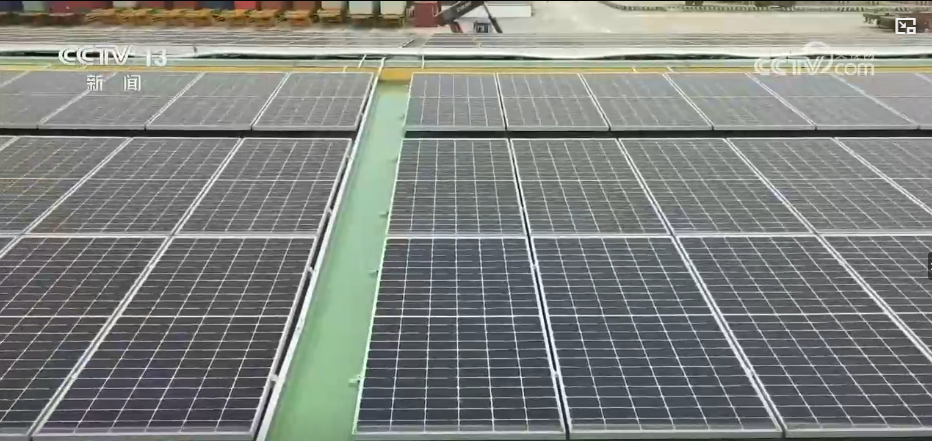
Construction of coal, hydropower, wind and solar facilities in Punjab, Sindh and Balochistan have diversified the energy mix in the country and the nearly 886 kilometers of transmission infrastructure has enhanced efficiency and reliability in distribution of electricity. This increase in energy capacity has not only boosted macroeconomic resilience but has also helped to boost investor confidence in the form of a more predictable economic environment. This has also been of great importance in regard to connectivity via extensive transport networks. The development and modernization of more than 510 kilometers of road systems, as well as large city transport systems like the Orange Line Metro in Lahore have helped in reducing the travel time, reducing the cost of logistics and incorporating previously under-serviced areas into the national and regional market.
These developments are particularly meaningful in a country that is a transit hub for South Asia, Central Asia and beyond for providing extended access to trade and logistics in the region.
Through enhanced physical connectivity, CPEC has enabled the flow of goods and people, which has enhanced domestic supply chains and made Pakistan a potential transit hub between South Asia, Central Asia and beyond. In this regard, Gwadar Port in Balochistan is a strategic step towards development. Gwadar is starting to become a center of maritime trade and connectivity in the region, though it initially began as a small coastal town. The building of a new international airport, port infrastructure and the necessary services (desalination plants, hospitals, etc.) point to the comprehensive nature of urban and economic development while Gwadar has already started playing as a more significant role in ensuring that trade flows and economic diversification can be achieved smoothly.
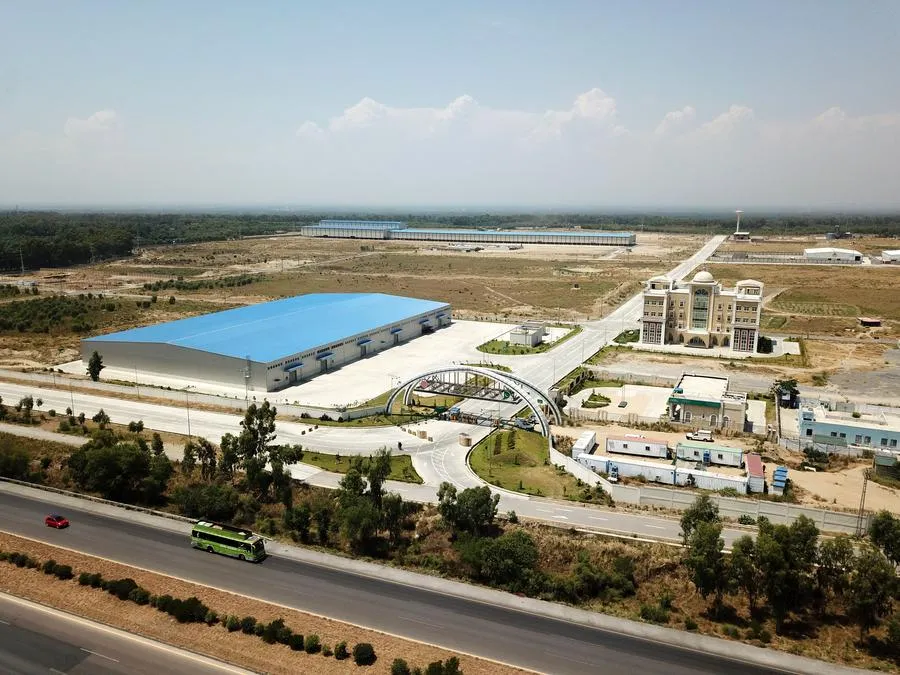
The change in the direction of industrial cooperation and value-added development and the transition of CPEC to the second stage highlights a planned transition. Special Economic Zones (SEZs) such as Rashakai in Khyber Pakhtunkhwa province and Allama Iqbal Industrial City in Punjab province are aimed at investment attraction, export-oriented industry development and creation of jobs.
The initial signs of growing appeal of the domestic and international businesses have been reported especially in the areas like textile, manufacturing and light engineering. The modern industrial parks which are expected to be established through the aid of Chinese expertise and transfer of technology can boost the industrial base of Pakistan and also make it more competitive in the international markets. Another important field of interest has also been the area of agricultural collaboration, which is significant since the sector is important to the Pakistani economy. The bilateral programs to enhance productivity, embrace modern farming methods and access to the market are starting to show real outcomes. There has been a tangible increase in Pakistani exports of agricultural goods, such as sesame seeds and chili to China, which indicates the possibility of further development.
Simultaneously, capacity-building initiatives and research collaborations are also aiding agricultural practices in modernization with food security and rural livelihood implications. In addition to the economic indicators, the human aspect of the China-Pakistan relationship is the core of its sustainability in the long-run. Education has become a lot more interactive and today tens of thousands of Pakistani students are studying higher education in Chinese education system. Academic cooperation and sharing of knowledge are being developed within collaborative platforms like university and cultural exchange is enhancing mutual understanding.
Such exchanges play a key role in developing the social and intellectual capital needed to maintain a diverse and dynamic alliance. The Chinese assistance in times of crisis has also strengthened the bond between the two countries. Such initiatives have highlighted a larger theme of solidarity and cooperation, be it in the form of humanitarian aid in case of natural disasters or specific support to vulnerable communities.
On a macro level, the impact of CPEC on the Pakistan economy can be evaluated in terms of the impact it has on improving infrastructure, mitigating energy shortages and driving industrialization. Although there is a necessity to consider current issues such as better governance, environmental sustainability and equitable allocation of gains, the overall trend is in the direction of gradual enhancement of economic fundamentals. The corridor has also helped to place Pakistan into a greater context of regional connectivity, which is in line with the initiatives of fostering trade integration and economic cooperation in Asia.
In the future, the focus on the high-quality development of the BRI offers a beneficial framework of the further stage of CPEC. The impact of the corridor can be improved even more by more focus on green technologies, digital connectivity and growth based on innovations. Efforts in areas like renewable energy, smart infrastructure and technological partnership can help coordinate economic growth with environmental sustainability, a more and more significant variable in the development discourse of the world. CPEC is an opportunity and a process in analytic terms. The success of CPEC goes all the way with physical infrastructure with the effective implementation of policies to maximize economic returns and provide inclusive growth.
Enhancing institutional capacity, promoting transparency and involvement of local stakeholders will be imperative in bringing the investments into the long-term development results. Meanwhile, the ongoing cooperation between China and Pakistan based on the principles of mutual respect and mutual goals will be crucial in overcoming the challenges of a quickly evolving global economy. After all, the development of CPEC is indicative of a larger story of collaboration and practicality.
It provides an example of the way in which strategic cooperation, when coupled with national priorities and anchored by long-term investment, can help bring about a significant economic change. To Pakistan, the corridor is an avenue to increasing its connectivity, industrialization and participation in global value chains. To China, it supports the BRI and shows the potential of international cooperation in providing concrete development outputs. The experience of CPEC can provide useful lessons to similar projects focused on promoting mutual growth and stability in the region as both nations keep on developing based on this foundation.